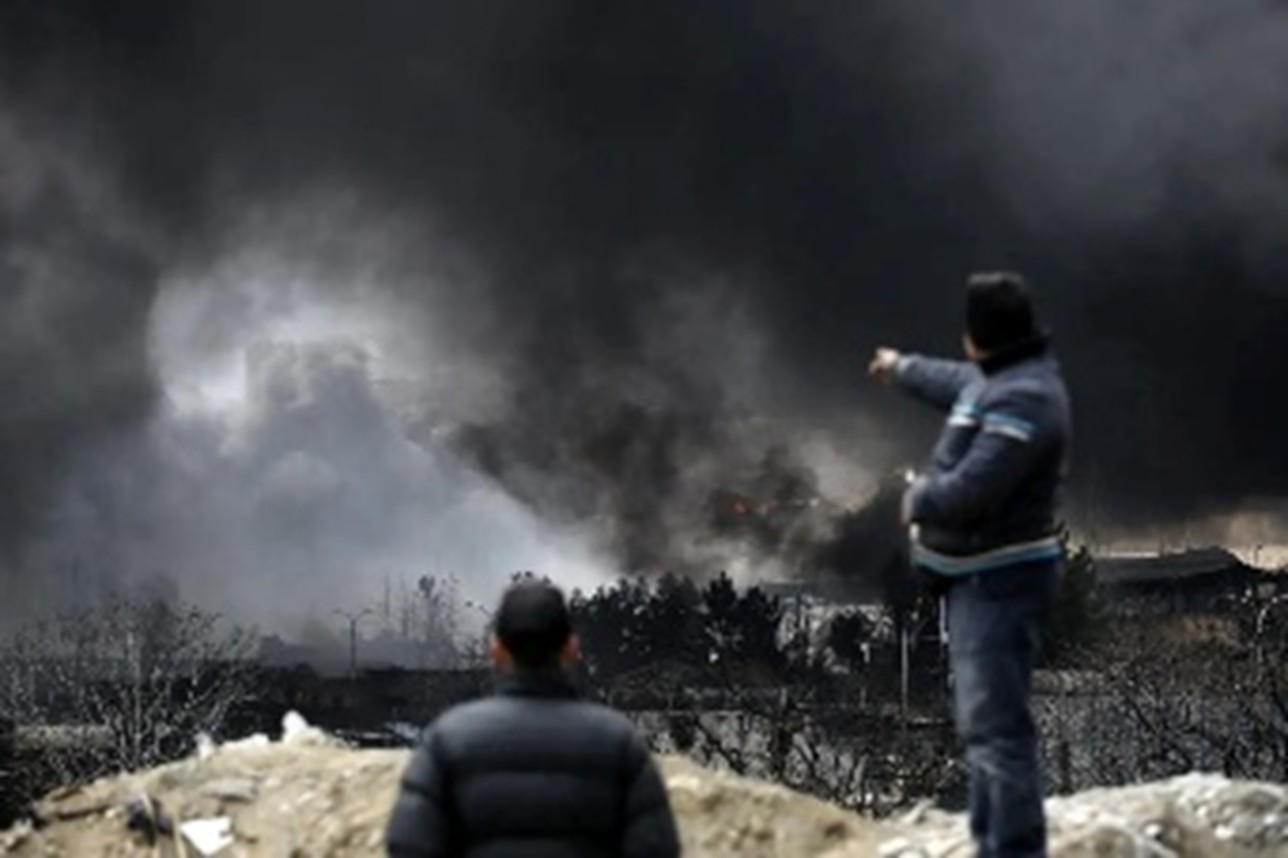
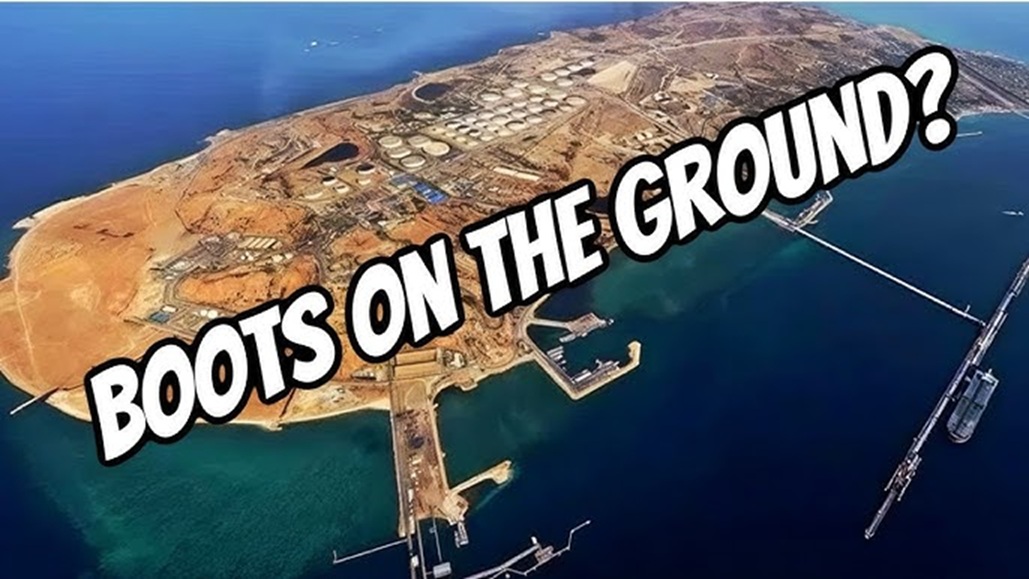
The US is considering ground operations to seize Kharg Island, Iran’s primary oil export hub. The Pentagon is evaluating this move to destroy weapons targeting shipping, with potential plans for a multi-week deployment amid intense regional military buildup.
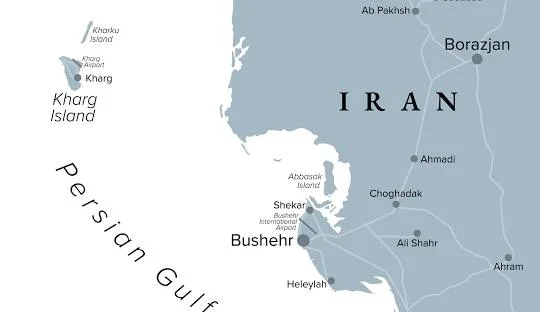
Kharg Island endures as the beating heart of Iran’s oil export machine and, following the U.S. precision strikes of March 13, 2026, that pulverised over 90 military sites while pointedly sparing the petroleum infrastructure, it stands exposed as the regime’s most exploitable weakness. Positioned 25 km off the Bushehr Province coastline in the northern Persian Gulf, this 20-square-km coral limestone speck channels nearly 90 percent of Iran’s crude and condensate—up to 2 million barrels daily in peacetime—through deep-water terminals fed by pipelines from Gachsaran, Aghajari, and offshore platforms. Storage tanks with a 30-million-barrel capacity, recent inventories near 18 million, and VLCC berthing at T-shaped jetties generate the revenue lifeline for the IRGC and the broader economy. In the ongoing crisis, with Iran contesting the Strait of Hormuz 300 miles south, seizing Kharg would instantly throttle Tehran’s finances, create leverage to pry open the waterway and signal U.S. resolve. Yet the operation’s true test lies not in capture but in holding this isolated outpost against a determined, proximity-enabled defender. Any realistic analysis must weigh the island’s compact geography, layered Iranian defences, the force package required, and—critically—the grinding challenges of post-capture occupation, which could transform tactical triumph into a strategic quagmire.
Geography and Terrain: Compact, Industrialised, and Exposed
PC: CGTN
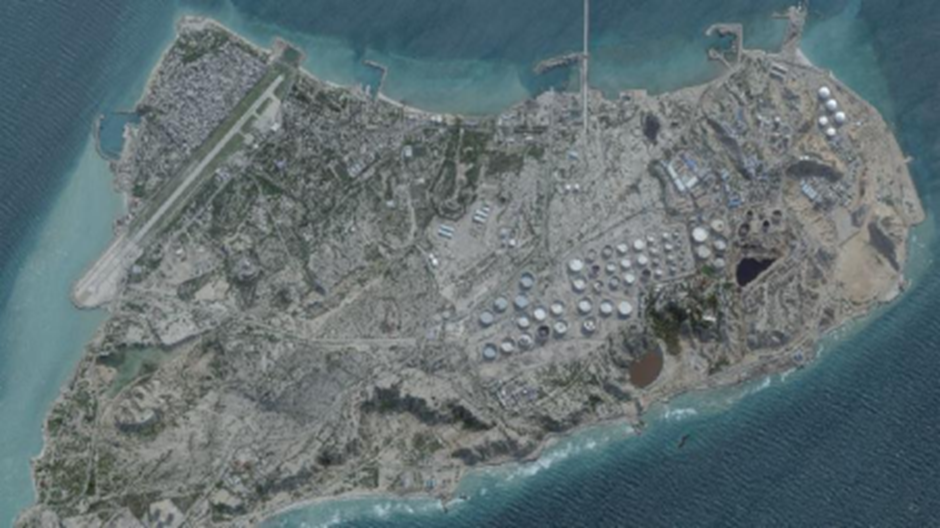
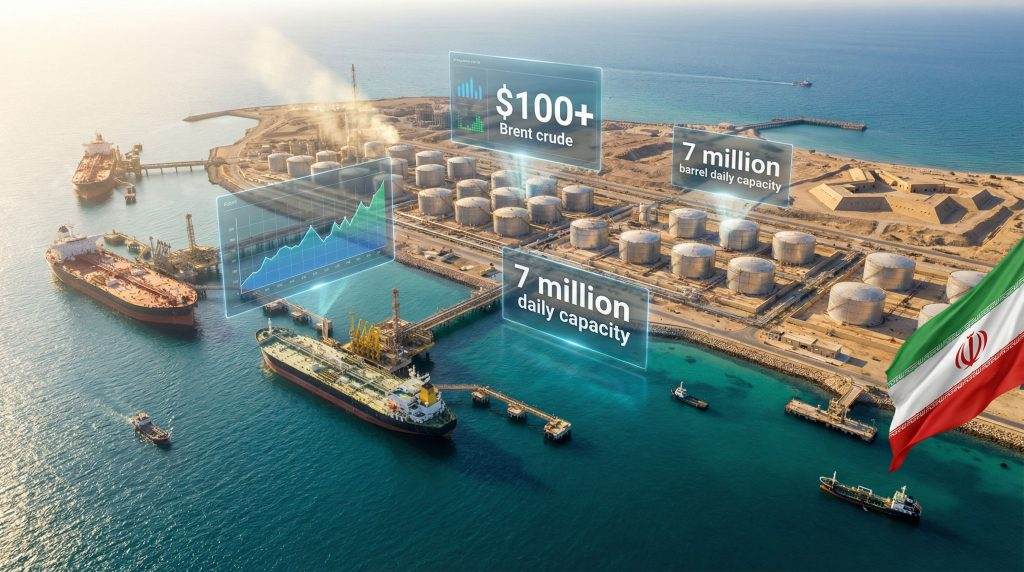
Kharg measures roughly 8 km long by 4–5 km wide, rising from ancient coral reefs to a modest maximum elevation of 70 meters at Kūh e Dīdeh Bānī, with most of the surface averaging just 10 meters above sea level. The terrain is predominantly flat and barren: northern limestone plateaus offer unobstructed fields of fire but zero natural concealment; scrubby coastal fringes and porous-rock freshwater aquifers sustain sparse vegetation and the small civilian population of 8,000–20,000 oil workers and families clustered amid the infrastructure. Eastern Kharg Terminal dominates with its deep water jetty; westward sits Sea Island Terminal; southward lies the Darius petrochemical complex. Pipelines, roads, tank farms, an airport, a naval base, and helicopter pads interweave across the low-lying centre, creating a dense urban-industrial battlespace where collateral damage risks catastrophic oil spills or self-inflicted economic sabotage. Coral reefs and shallows ring the approaches, while the island’s isolation inside the Gulf, yet mere 20–25 km from the mainland, places every inch within Iranian coastal weapon range. This profile favours rapid assault but punishes prolonged defence: no high ground for overwatch, limited manoeuvre space, and constant exposure to observation and fire from the nearby shore.
Iran’s Defensive Posture: Hardened, Asymmetric, and Mainland Linked
PC: https://powercorridors.in/
Post-strike, the IRGC has flooded Kharg with reinforcements, converting the “Forbidden Island” into a bristling kill zone. Intelligence confirms additional MANPADS, anti-personnel and anti-armour mines sown along beaches and likely landing zones, underground bunkers, trenches, and swarms of FPV kamikaze drones pre-positioned among the oil facilities. Thousands of guards integrate with the civilian grid, while mainland artillery, Fajr-5 MLRS, short-range ballistic missiles, coastal guns, and fast-attack craft provide seamless fire support across the narrow strait. Mine clutter sea approaches; residual air defences and anti-ship missiles contest access. The regime’s doctrine—refined through proxy wars and asymmetric campaigns—prioritises cost imposition: cheap drones and rockets versus expensive U.S. platforms. Civilian presence complicates rules of engagement, and deliberate sabotage of tanks remains a credible threat. These layers make initial penetration costly and any occupation a magnet for relentless harassment.
Hypothetical U.S. Capture Scenario: Precision Overmatch for Rapid Seizure
PC: Discovery Alert
Execution would begin with overwhelming multi-domain preparation: carrier-based F-35 strikes, B-2/B-52 bombing, Aegis naval fires, and electronic warfare to achieve SEAD/DEAD and blind command nodes. Air and sea supremacy within a 200-mile bubble—enforced by carrier strike groups, E-2 Hawkeyes, and submarines—would screen the objective. SEALs and Delta operators would seize terminals and C2 centres; Marines and Army airborne units would execute vertical and amphibious assaults via MV-22 Ospreys, CH-53s, and LCACs onto jetties, plateaus, and the runway under night cover and counter-drone umbrellas. Cyber disruption would sever mainland coordination. The mission: secure key nodes intact to halt exports and establish bargaining leverage, avoiding wholesale demolition that could trigger an environmental disaster.
Force Levels Required: Scaled Joint Package for Entry and Initial Hold
Doctrine and wargaming for a target this size call for one to two Marine Expeditionary Units (MEUs)—roughly 4,400 Marines and sailors aboard an Amphibious Ready Group—providing infantry, artillery, light armour, aviation, and 15–30 days of organic logistics. Augment with 1,000–2,000 Army paratroopers from the 82nd or 101st for vertical envelopment, plus 500–1,000 special operators for high-value tasks. Enablers include one or two carrier strike groups (80–100 aircraft), destroyer escorts, mine countermeasures, and airlifted Patriot/THAAD batteries. Total initial ground force: 4,000–8,000 personnel, expandable to 10,000–15,000 (Marine Expeditionary Brigade level) for sustainment. Maritime prepositioning ships or additional sealift would deliver engineering, counter-battery, and logistics units. This package emphasises speed and precision over mass, tailored to Kharg’s tiny footprint.
Operational Challenges During Capture: Proximity Fires and Asymmetric Resistance
Insertion would confront immediate resistance: naval mines slowing LCACs, beach mines channelling attackers into kill zones, and FPV swarms targeting exposed helos and vehicles. Mainland rockets and artillery could arrive within minutes, while MANPADS and coastal anti-ship missiles contest air and sea lanes. Speed, suppression, and counter-drone systems would mitigate these, but casualties could mount quickly in the compressed battlespace.
Challenges to Holding the Island After Capture: The Attritional Grind
Once seized, the real ordeal begins. Kharg’s mainland proximity turns occupation into a daily siege. Iranian forces, even degraded, retain the ability to sustain indirect fire from coastal batteries, Fajr-5 MLRS, and short-range ballistic missiles—ranges easily covering the 20–25 km strait with salvoes arriving in under a minute. U.S. counter-battery radars and precision fires could blunt some attacks, but the volume and low cost of Iranian munitions create an asymmetry: Tehran expends cheap rockets while American forces burn expensive interceptors and expose high-value assets to detection. FPV kamikaze drones, already proven devastating in Ukraine-style conflicts, pose an even greater threat; Iran can manufacture thousands for pennies on the dollar, launching persistent waves from the coast or speedboats that overwhelm layered defences. Counter-drone jammers, directed-energy weapons, and small-arms fire help, yet the math favours the attacker—each downed drone costs the defender far more in resources and operator fatigue.
Logistics emerge as the silent killer. Resupply convoys must transit 200-plus km of contested Gulf waters, vulnerable to mines, anti-ship missiles, submarines, and swarm boat attacks. Fuel, ammunition, spare parts, and medical evacuations depend on air corridors under constant threat, straining carrier decks and C-17/C-130 lift. The island’s limited freshwater—already strained by 5,000–15,000 additional troops—requires desalination plants or constant tanker deliveries, while Gulf summer heat (routinely exceeding 45°C) accelerates equipment failure, heat casualties, and morale erosion. Engineering units would labour continuously to fortify positions, repair battle damage to runways and jetties, and harden tank farms against sabotage or collateral hits—work performed under fire, slowing infrastructure security.
Environmental and humanitarian risks compound the burden. Damaged storage tanks could ignite massive oil fires or spills, creating toxic plumes visible for hundreds of miles and inviting international condemnation. The civilian population, though small, cannot be easily evacuated without propaganda blowback; containing or relocating them diverts combat power and risks urban combat amid pipelines. Iranian special forces or proxy infiltrators could stage night raids, suicide attacks, or sabotage from fishing boats, forcing constant perimeter security that exhausts rotating units.
Politically and strategically, holding Iranian sovereign territory frames the U.S. as an occupier, galvanising domestic Iranian resolve, rallying regional proxies (Houthis, Iraqi militias), and fracturing alliances. China and Russia could exploit the optics in global forums, while oil markets spike above $120 per barrel on export loss and Hormuz uncertainty, triggering recession fears in the West. Daily operational costs—potentially $50–100 million for a brigade-sized force— erode political will in Washington, especially if casualties climb into the hundreds from attritional strikes rather than decisive battles. Without a broader campaign to neutralise mainland launch sites (an escalation risking full-scale war), U.S. forces face a “porcupine” defence in reverse: dug-in but bled white by standoff weapons. Historical parallels—British experience in the Falklands or U.S. island-hopping in the Pacific—highlight how small footholds become magnets for reinforcement and counterattack when the defender retains nearby sanctuary. Rotation of exhausted units, mental health strain, and equipment cannibalisation would accelerate, potentially requiring doubling the initial force commitment within weeks just to maintain presence.
Probability of Success: High Entry, Low Sustainment
Initial seizure retains a 70–85 percent probability within 48–72 hours, capitalising on U.S. technological edges and post-strike degradation. Yet the probability of holding beyond two weeks plummets to 25–45 percent, and long-term occupation (months) falls below 20 percent absent neutralising the mainland threat. Factors favouring success include rapid engineering and counter-drone innovation; those against include Iran’s manpower depth, low-cost munitions, and willingness to absorb losses. Strategic victory— leveraging the island to force Hormuz reopening or regime concessions—hovers at 35–55 percent, dependent on clear off ramps and diplomatic containment. Wargames consistently warn of “mission creep” into a bloody stalemate.
Strategic Implications: High Reward, Existential Overreach
Capturing and briefly holding Kharg could deliver decisive economic strangulation, starve the regime of revenue and create leverage for de-escalation. Yet the post-capture challenges reveal the trap: a compact prize that demands disproportionate resources to defend, risks uncontrolled escalation, and may ultimately strengthen Iranian narratives of resistance. In the multipolar Gulf of 2026, success hinges less on firepower than on the ability to exit on favourable terms before attrition erodes advantage. Kharg embodies modern conflict’s paradox—technological dominance meets persistent, low-cost defiance—where seizure is feasible but mastery of the aftermath remains elusive.
Title Image Courtesy: Youtube
Disclaimer: The views and opinions expressed by the author do not necessarily reflect the views of the Government of India and the Defence Research and Studies.