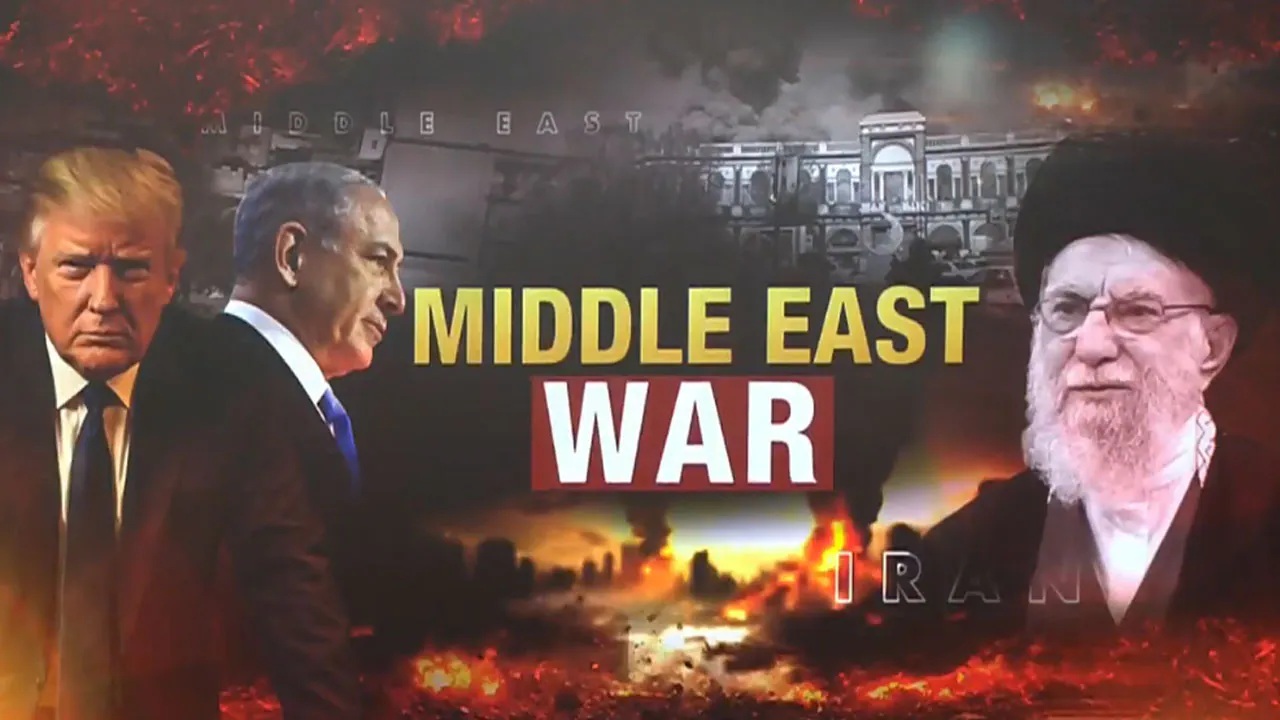
The war in the Middle East is an escalating conflict involving direct strikes between Iran and a US-Israel coalition. The coalition air strikes have targeted Iranian installations, while Tehran retaliates against US bases and allies. Global shipping is severely affected.
Conflicts in West Asia rarely remain confined to the region. For countries deeply connected to the global energy system, like India, the ripple effects can be immediate. From oil prices and shipping routes to inflation and financial markets, instability in the Middle East often affects India’s economic reality.
As tensions escalate in the region, India’s primary concern is energy security. However, while the conflict poses risks, New Delhi has developed a pragmatic strategy to manage the situation, particularly when it comes to oil deals and supply diversification.
Why West Asia’s War Matters for India
India’s vulnerability stems from its heavy reliance on imported energy. The country imports more than 85 percent of its crude oil requirements, making it one of the world’s largest oil importers. A large share of these imports comes from West Asian countries such as Iraq, Saudi Arabia, the United Arab Emirates and Kuwait. Estimates suggest that nearly half of India’s crude oil imports originate from this region.
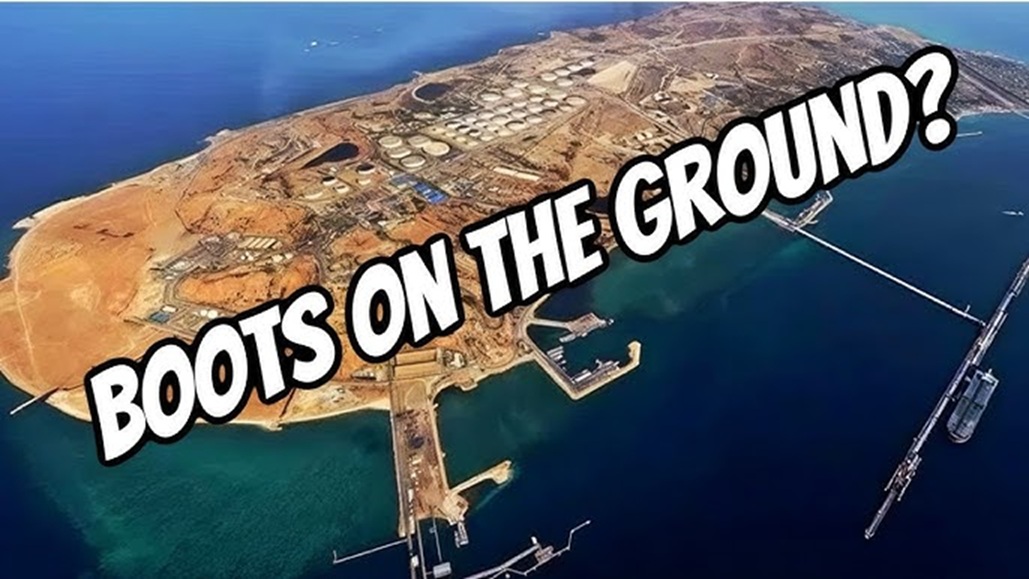
Another major concern is the Strait of Hormuz, one of the world’s most important maritime oil routes. A significant portion of India’s oil shipments passes through this narrow waterway between Iran and Oman. Any military escalation or shipping disruption there can affect both oil prices and supply availability. If the Strait faces disruption, analysts warn that global oil prices could spike sharply. Countries that depend heavily on imported energy would be among the first to feel the economic impact.
The Economic Ripple Effect in India
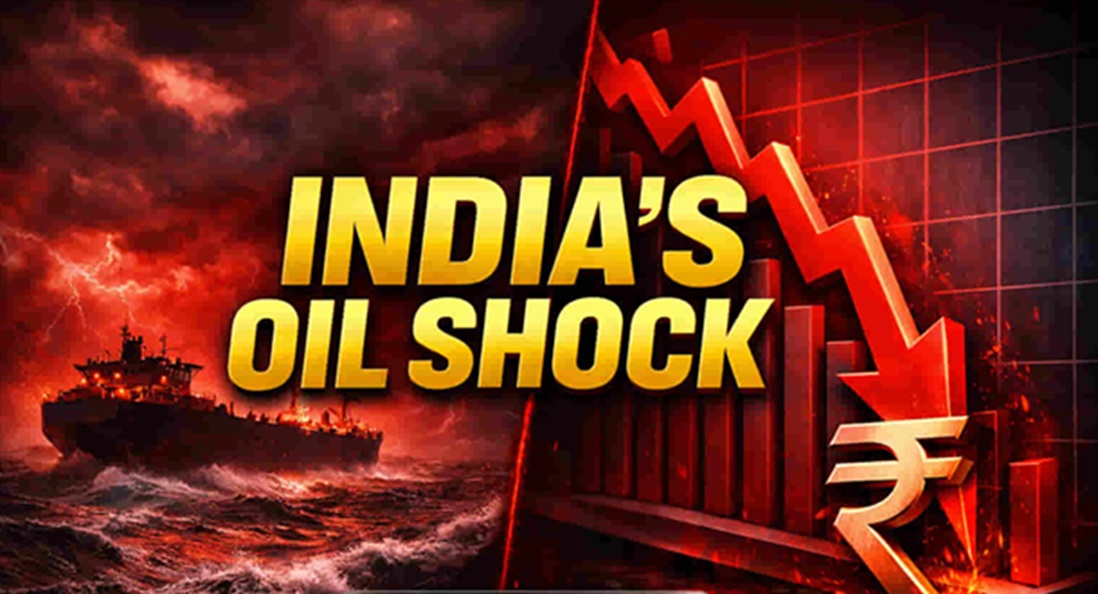
Rising oil prices not only affect fuel stations. They influence the broader economy. Higher crude prices increase India’s import bill and widen the current account deficit. This can put pressure on the Indian rupee and financial markets. Energy prices also affect transportation, manufacturing, agriculture and aviation. When fuel becomes expensive, the cost of producing and transporting goods rises. This leads to inflation and can slow economic growth.
Economic experts note that sustained oil price increases can weaken investor sentiment and create volatility in emerging markets, including India. This is why developments in West Asia are closely tracked by policymakers in New Delhi.
India’s Stance on Oil Deals During the Conflict
India’s approach to oil procurement during geopolitical crises is largely pragmatic. Instead of aligning its energy purchases with political alliances, India prioritises supply security, affordability and diversification. Indian refiners have increasingly sourced crude from multiple regions, including Russia, the United States and African producers, to reduce dependence on any single supplier.
Discounted Russian crude in particular has become a significant part of India’s import basket in recent years. Buying oil at competitive prices has helped Indian refiners maintain stable fuel supplies and limit the impact of global price spikes. This flexible approach allows India to adjust its energy strategy during geopolitical disruptions without compromising domestic supply.
Diversifying Supply to Reduce Risk
As tensions in the Middle East intensify, Indian refiners have also explored alternative crude supplies from outside the region. However, sourcing oil from distant markets can increase shipping costs and insurance premiums, especially when global maritime routes face security concerns. Despite these challenges, diversification remains one of the most effective ways for India to reduce vulnerability to regional conflicts.
Strategic Petroleum Reserves as an Emergency Buffer
India has also strengthened its energy security by expanding its Strategic Petroleum Reserves. These reserves are underground storage facilities that allow the government to store crude oil for use during supply disruptions or extreme price volatility.
India has been working on expanding storage capacity with additional facilities planned in locations such as Chandikhole in Odisha and Padur in Karnataka. Strategic reserves provide an important safety buffer, giving policymakers time to secure alternative imports during global supply shocks.
The Diplomatic Balancing Act
India’s response to the crisis also involves careful diplomacy. The country maintains important relationships with several actors in the region, including Israel, Iran, Saudi Arabia and the United Arab Emirates. Maintaining ties with all sides requires a balanced diplomatic approach.
India’s priorities include ensuring uninterrupted energy supplies, protecting Indian citizens working in Gulf countries and maintaining neutrality in regional conflicts. This diplomatic balancing helps India safeguard both its economic and strategic interests.
The Bigger Picture
The conflict in West Asia highlights how interconnected the global economy has become. A geopolitical crisis thousands of kilometres away can affect fuel prices, financial markets, trade routes and everyday economic activity in India. While India cannot control conflicts abroad, it has built systems to manage their impact. Diversified oil sourcing, strategic reserves and pragmatic diplomacy help the country navigate global uncertainty.
As long as the Middle East remains a major energy hub, developments in the region will continue to shape India’s economic outlook. The real challenge for policymakers is ensuring that these shocks remain manageable rather than disruptive.
Title Image Courtesy: NDTV
Disclaimer: The views and opinions expressed by the author do not necessarily reflect the views of the Government of India and the Defence Research and Studies.