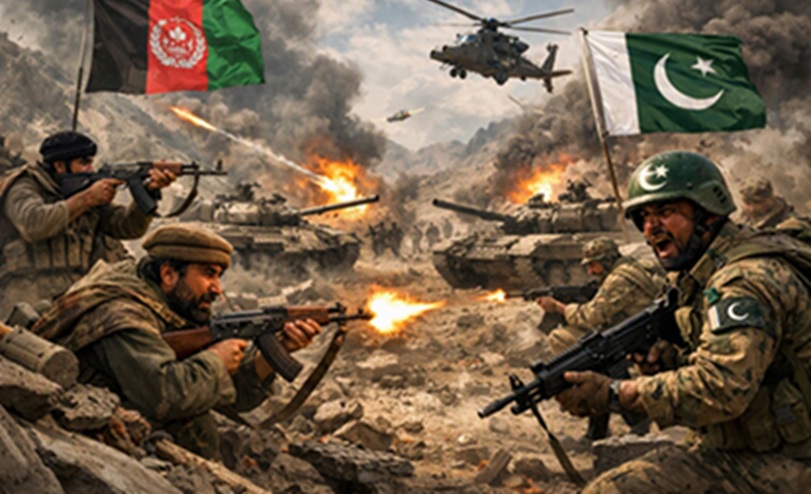
It can be said that the world is currently going through a major crisis, shaping diplomatic relations between states and calling into question our Western view of them. The crisis in Iran and the conflicts in the Middle East dominate our media, and rightly so. However, other conflicts—whose underlying problems have never truly been addressed—are resurfacing and have also been gaining momentum for some time. One example is the conflict between Afghanistan and Pakistan: a war that has been largely overlooked. Yet, it involves stakes that are both regional and international, and it is tied to humanitarian challenges.
The war that is shaking Afghanistan and Pakistan has its roots in a largely one-sided alliance. Since the 1990s, Pakistan has been the historical backer of the Afghan Taliban. The reasons behind Pakistan’s reciprocal support for Taliban militias are as much ethnic and ideological as they are political. By allying itself with Taliban regimes, Pakistan turns Kabul into a strategic partner in the face of Indian power, while reducing India’s influence in Afghanistan. Ideologically, because both Pakistan and Afghanistan are Islamist states sharing the same ideological vision regarding their customs and way of life. And ethnically, because the two territories are linked by Pashtun civilisation—a people of more than 50 million—whose territory is split into two by the Durand Line, a border separating Afghanistan from Pakistan that was imposed by the British Crown in the late 19th century.
Nevertheless, the Durand Line is an important point to remember. Although Afghanistan and Pakistan are historically connected “by blood,” this border lies at the heart of tensions between the two nations. Afghanistan lays claim to Pakistani Pashtun territories. As a result, for the past century, to deepen its relations with Afghanistan and reduce tensions related to the Durand Line, Pakistan has supported the Islamization of its population and the financing of Taliban militias—an armed group made up largely of Pashtun tribes. With this support, Pakistan helped Afghan Taliban forces take power from 1996 until the fall of the regime in 2001, and then again in 2021—when they have been in charge of Afghanistan ever since.
However, as mentioned above, this relationship remains one-sided. Even though Islamabad wanted to turn Kabul into a strategic ally, seeking recognition from the Taliban through their policy of ideological cohesion, Afghanistan, in turn, benefits from this allegiance by swelling the Taliban forces in Pakistan and hoping to bring down the Pakistani regime. To avoid confusion, Kabul is led by the Afghan Taliban, but there is also a Pakistani faction under the name Tehrik-i-Taliban Pakistan (TTP), which is considered a threat to the government in Islamabad. Yet while Pakistan expected Kabul’s regime to stop targeting the Durand Line and to keep Taliban power on its side of the border, Afghanistan is financially supporting the TTP and their growing influence.
As a result, the intensification of TTP attacks sits at the center of the tensions. In autumn 2025, due to the Taliban regime’s lack of cooperation, the two states find themselves in conflict. Islamabad presses Kabul to confront the TTP. However, the situation remains the same: in 2025, more than a thousand Pakistanis—both military and civilians—were killed by TTP attacks. Last October, Islamabad responded to this violence with airstrikes on Kabul for the first time. Violence then escalated, culminating on February 27, when Islamabad declared the start of open war against the Taliban.
Since March 2026, the stakes of this war have gone well beyond a simple border conflict. On the security front, the worsening relations between Kabul and Islamabad are fueling instability across the entire Afpak region and raising fears that transnational jihadist groups such as the Islamic State Khorasan (IS-K) will gain strength. Economically, the progressive closure of borders deprives Afghanistan of an essential route for exports from Pakistan, while Pakistan must deal with increasing energy dependence amid an unstable regional environment. The consequences are also humanitarian in nature. Islamabad’s mass expulsions of Afghan refugees, along with the deterioration of living conditions in Afghanistan, further worsen the situation.
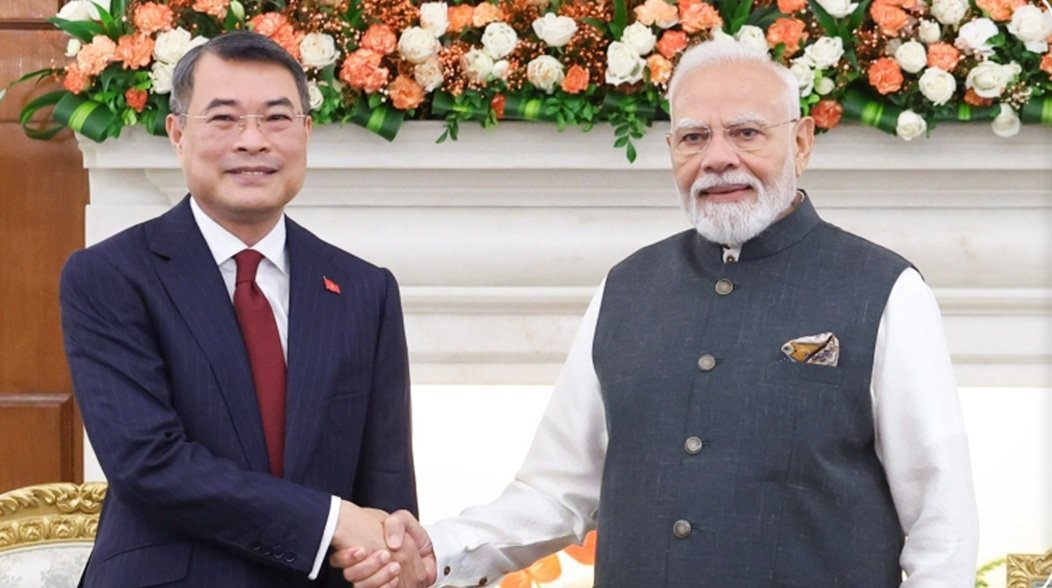
Finally, the war between Afghanistan and Pakistan also has a geopolitical dimension. Islamabad fears closer ties between Kabul and New Delhi, which would increase India’s influence in what Pakistan considers India’s strategic sphere of influence.
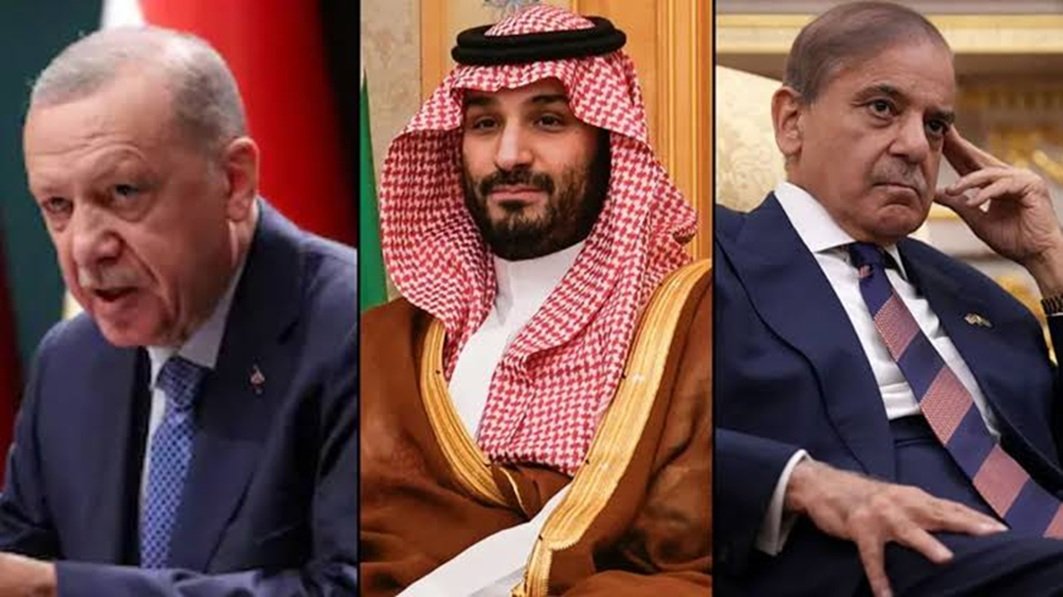
This war thus illustrates the fragility of geopolitical balances in South Asia. Despite several mediation efforts led by China, Qatar, Turkey, and Saudi Arabia, the clashes continue in an international context already marked by crises in the Middle East. The destabilisation of Iran, in particular, complicates any prospect of easing tensions. Afghanistan increasingly relies on Iranian commercial infrastructure to compensate for the closure of Pakistani routes. Therefore, as long as the disagreements remain unresolved without a lasting solution, this war is likely to remain one of those conflicts that will shape global tensions in the years ahead.
Title Image Courtesy: Copilot AI
Disclaimer: The views and opinions expressed by the author do not necessarily reflect those of the Government of India or the Defence Research and Studies.