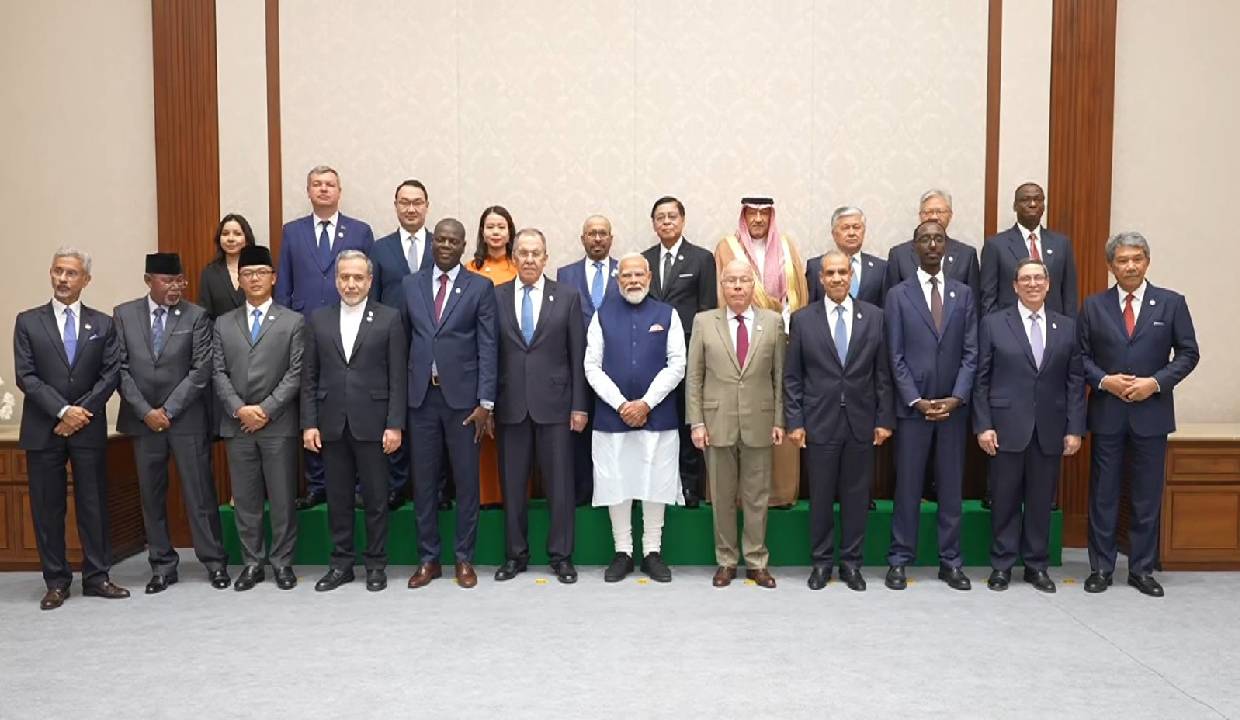
India is hosting the 18th BRICS Summit in New Delhi. A crucial Foreign Ministers’ meeting is occurring on May 14-15, 2026, at Bharat Mandapam, focusing on economic cooperation and global issues.
In recent times, Indian diplomacy has had to navigate typical geopolitical challenges, especially when it led multilateral groups like the G20 (in 2023) and BRICS+ in 2026. The New Delhi Summit 2023, until the last minute, was marred by the deepening differences between Russia and the Western countries over the reference and formulation regarding the Russia-Ukraine war, which required tremendous diplomatic agility, capital, goodwill, personal connect, and interventions by Prime Minister Narendra Modi with world leaders to secure the final ‘Delhi Declaration’. Normally, in such events, the Joint Declarations are the deciding factors in determining whether they are termed a gigantic success or not. Vasudhaiva Kutumbakam (“World is One Family” or “One Family, One World, One Future”) had already made reverberations due to its uniqueness.
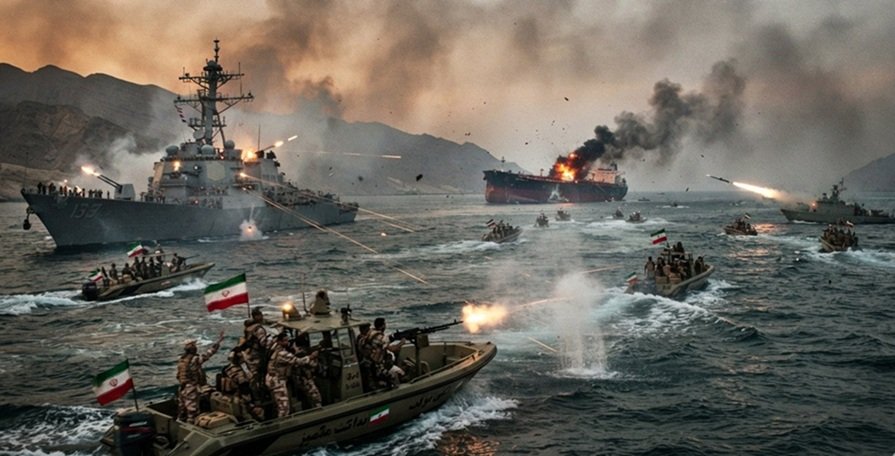
India, in 2026, is chairing the BRICS Summit. This time, the US-Iran-Israel war is casting a shadow of uncertainty over achieving a consensus-driven outcome document. On February 28, the US and Israel attacked Iran, decapitated its political and military leadership, and acquired significant superiority over its airspace and maritime boundaries. But they underestimated Iranian resilience and the efficacy of new strategies combining the ‘Mosaic Decentralised Defence Strategy’ with the ‘Scorch the Earth Strategy’, responding in kind and sustaining the escalation ladder for over six weeks, until a ceasefire was announced by President Trump and, however fragile, has lasted until now, with some hope for a negotiated outcome.
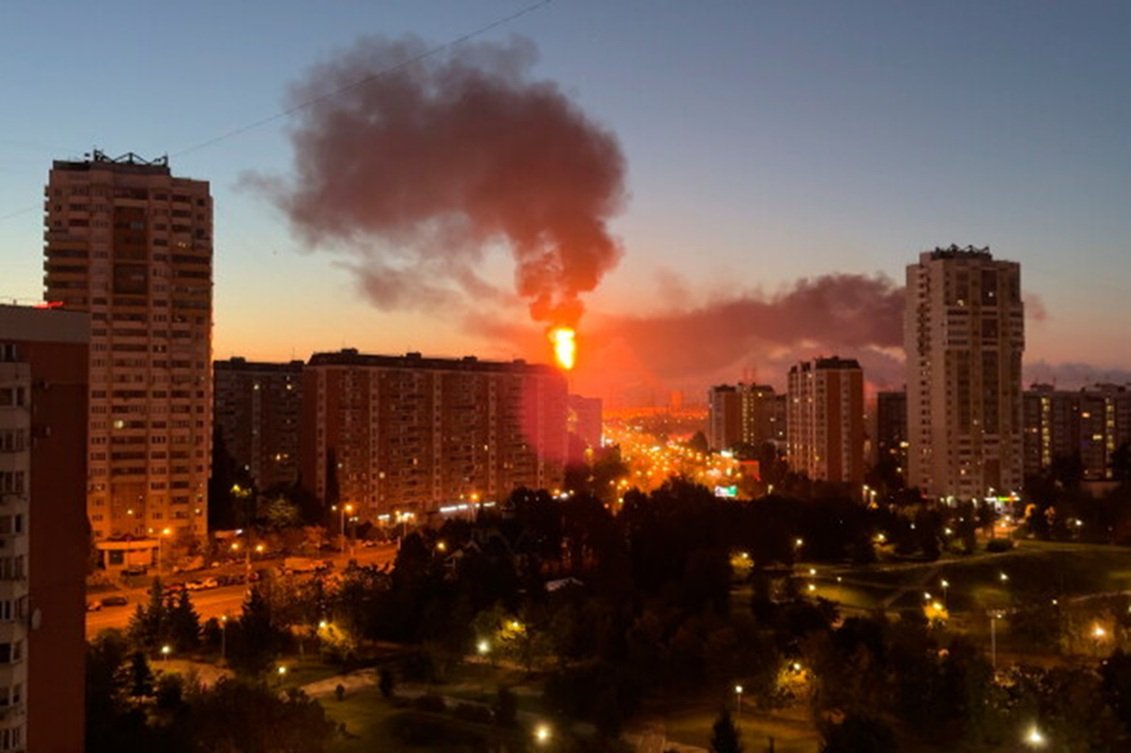
But in this war, Tehran not only attacked American and Israeli assets, but it also violated the sovereignty and territorial integrity of the Gulf and Arab countries through consistent attacks on US bases, as well as energy and other vital infrastructure, and blockaded the Strait of Hormuz chokepoints, with devastating economic and security consequences for the region and the world. The UAE had been singled out for the maximum number of drones and missiles launched against it. The trust deficit has deepened and will take a long time to bridge the divide.
Among the Arab countries in the region, Iran, the UAE, Egypt, and, partially, Saudi Arabia are members of BRICS+. Hence, when Tehran started urging New Delhi to issue a BRICS statement against the US and Israeli attack, it obviously could not find resonance with the UAE and other Arab countries that had been hit despite their strategic restraint and claims of not even allowing the USA the use of their airspace to attack Iran. But in this fog of war, truth is the first casualty, as disinformation campaigns and glib statements tend to couch and shroud it. Abu Dhabi strongly opposed it despite India’s efforts to find some way out.
In fact, being deeply concerned with the dangerous developments, India, on its own, had issued a statement on February 28, urging respect for the sovereignty and territorial integrity of all nations in accordance with the UN Charter. Implicitly, prima facie, it exposed the US and Israeli attacks on Iran as well as the Iranian attacks on the Gulf countries. Ironically, all warring parties from the region and beyond are India’s strategic partners, and West Asia and its security and stability have an existential character for New Delhi. Hence, dialogue, diplomacy, and de-escalation are the only recipes, provided these countries step down from the escalation ladder.
Prime Minister Modi and External Affairs Minister Jaishankar spoke to their counterparts in the region and beyond to cool tempers down, while trying to secure the welfare of its 10 million-strong diaspora. Several visits were undertaken at various levels. But expectations have no gold standard, since they often become a litmus test for friendship, or the lack of it.
As Prime Minister Modi had defined and expanded the BRICS acronym, reflected in the theme of India’s presidency as “Building for Resilience, Innovation, Cooperation and Sustainability”, this incorporates and symbolises the direction that BRICS, as a non-Western alternative in the fractured global order, is likely to wade through. No doubt it is more focused on the geo-economic dimensions of cooperation, but geopolitical divisions and big-power competition obviously tend to impinge on its non-adversarial stance. This is what India tries to project and peddle. “Non-Western is not anti-Western” is the dictum. But since the US and several others no longer subscribe to the international rule of law and conventions established in the post-Second World War era, the quest for a new model and matrix of engagement is obvious.
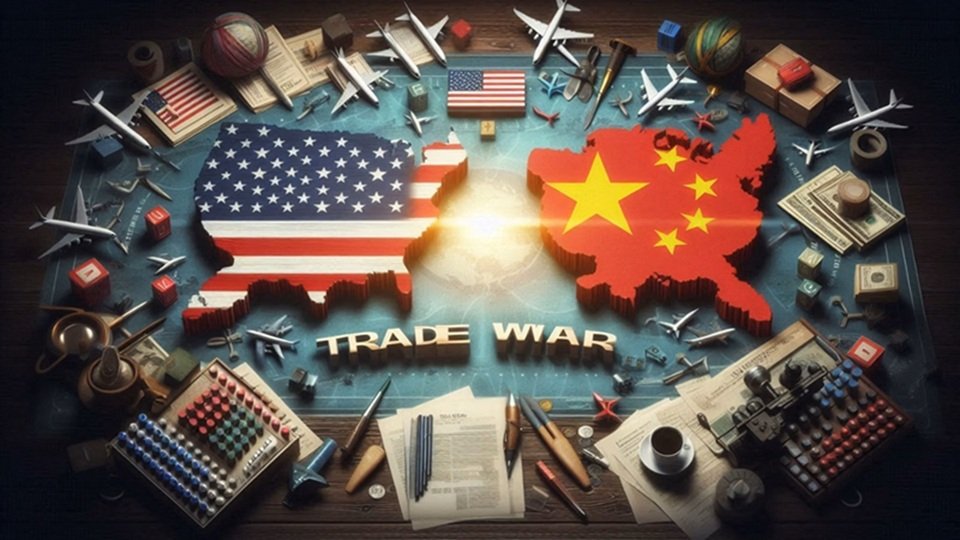
One of the key red flags for the US is the so-called BRICS currency, which is seen as a driver for de-dollarisation and hence is unacceptable to Washington, DC. President Trump even threatened BRICS with 100 per cent tariffs. But a natural search for less cumbersome and non-unilateral options will continue, as more and more countries are trying to trade in their bilateral currencies with much reduced uncertainty and transaction costs.
No doubt there are takers and propagators for the BRICS currency, banking mechanisms, and other related financial architecture and institutions, if a viable alternative to the existing institutions is to be found. This has also been a side effect of US sanctions against Russia and cutting it, and Iran, off the Society for Worldwide Interbank Financial Telecommunication (SWIFT) trajectory. Alternate choices are being made. This also becomes a challenge for India, which, while promoting bilateral payment systems, UPI, and digital public goods, is averse to the idea of a confrontational approach.
In response to a parliamentary question (March 13, 2026), the Ministry of External Affairs responded that: “There is no agreement within the BRICS framework on trade among all member nations in their respective local currencies. However, the issue of local currency financing has been discussed in the context of the BRICS Interbank Cooperation Mechanism.” Economic cooperation among BRICS member countries would be pursued through the meetings of the BRICS Finance Track, including meetings of Finance Ministers and Central Bank Governors (FMCBG) and the BRICS Contact Group on Economic and Trade Issues (CGETI).
That the ongoing Middle East war will impinge on the deliberations in New Delhi, both during the BRICS Foreign Ministers’ Meeting on May 14-15, as well as the Summit, is a given. If the recently held meeting of Deputy Foreign Ministers and Special Envoys on April 24 is an indicator, the Iran-US-Israel war cast a shadow when India had to issue an anodyne Chair’s statement reflecting a lack of consensus:
“The BRICS Deputy Foreign Ministers and Special Envoys on the Middle East and North Africa (MENA) met on 24 April 2026 in New Delhi, and exchanged views on the current situation in the region. Members expressed deep concern about the recent conflict in the Middle East and offered views and assessments on the matter.”
But BRICS is also beyond the ongoing conflict. No doubt, under India’s presidency, many workable initiatives will be witnessed. These will contribute to safety, security, counter-terrorism, the fight against climate change, economic growth, trade and technology, people-to-people exchanges, connectivity, and development equitably and sustainably. This is especially for the benefit of the vast expanse of the developing world, for shared values and prosperity, with further accentuation of multipolarity and multilateralism.
Equity, equality, and equanimity, driven by consensus for promoting inclusive growth, sustainability, and global cooperation, are the foundational principles of this economic and political entity, as well as India’s priorities. These have acquired much greater salience, resilience, and attraction for a large number of countries in the Global South or the Global Majority, despite the inherent challenges from within and without.
Article Courtesy: Firstpost
Title Image Courtesy: The Pioneer
Disclaimer: The views and opinions expressed by the author do not necessarily reflect the views of the Government of India and the Defence Research and Studies.