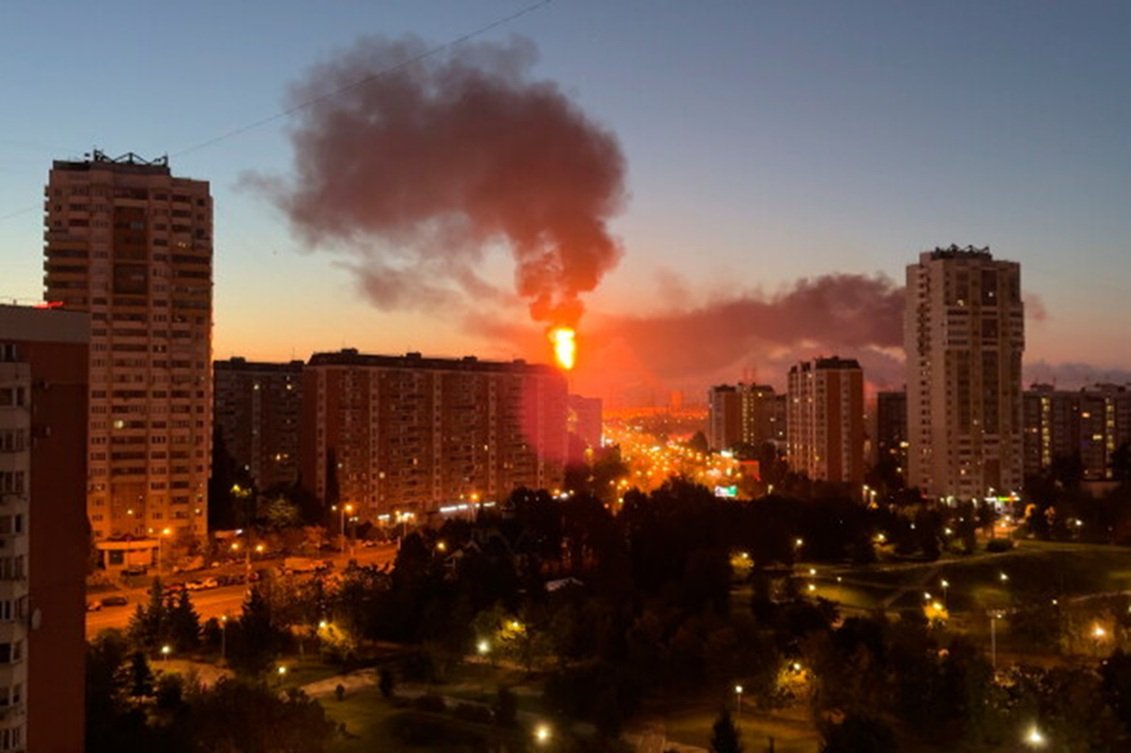

“How Ukraine and Iran are rewriting the grammar of Modern Warfare. In modern conflict, the nation that absorbs the first shock, adapts fastest, and sustains longest increasingly shapes the outcome.” War survivability matters more than weapon superiority.
The wars in Ukraine and Iran may appear unrelated at first glance. Different geographies. Different adversaries. Different military equations. Yet both conflicts are converging toward the same strategic conclusion. Wars are no longer decided solely by who strikes first or who possesses larger arsenals. They are increasingly decided by who continues functioning after being hit. That is the real shift now unfolding across the global battlespace.
Ukraine demonstrated adaptation under prolonged attrition. Iran demonstrated resilience under compressed precision strikes. Together, both conflicts are reshaping the doctrinal foundations of warfare itself. The traditional model of rapid dominance, centralised command structures, and overwhelming firepower is being steadily challenged by a new operational logic: Adapt. Scale. Sustain. Not as a slogan. As survival architecture.
Geopolitical Power Map
The emerging geopolitical landscape reflects a world transitioning from assumption-based stability to resilience-based competition. Nations are recalibrating military doctrine, energy security, industrial capability, and strategic partnerships simultaneously. The Ukraine and Iran conflicts have accelerated this transition by exposing vulnerabilities in supply chains, centralised infrastructure, maritime security, and alliance structures. In this evolving order, endurance is beginning to matter as much as power projection.
Gaining Leverage
- India through strategic autonomy and defence modernisation.
- China through industrial and technological depth.
- Iran through resilience-based deterrence.
- Russia through a sustained attritional posture.
Under Pressure
- Ukraine is under prolonged military and economic strain.
- United States amid widening multi-theatre strategic commitments.
- European economies are facing defence-industrial and energy vulnerabilities.
Swing States
- Turkey
- Saudi Arabia
- United Arab Emirates
- Vietnam
The larger pattern is evident. Strategic autonomy is returning to the centre of global statecraft.
Strategic Moves that Matter
Ukraine: Innovation During War
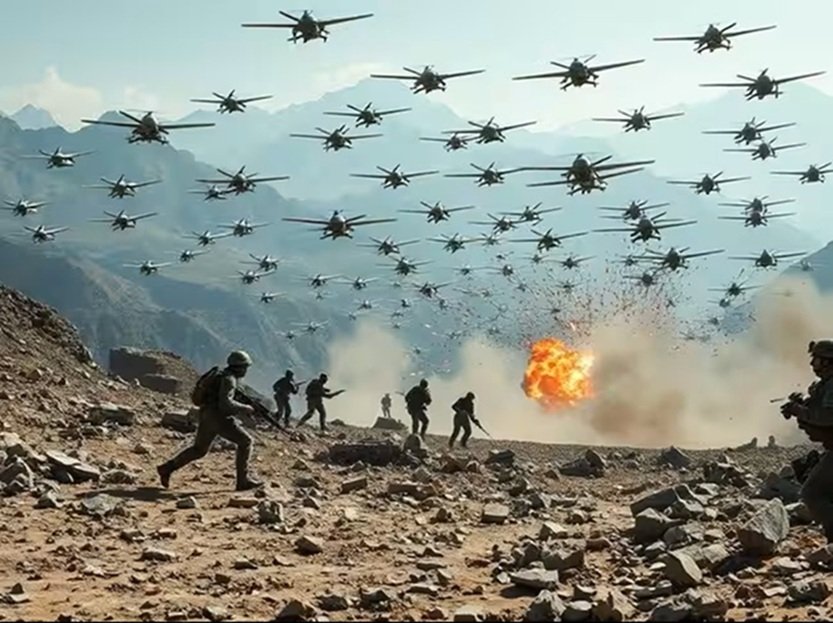
Ukraine entered the conflict facing a conventionally superior adversary. Initial phases exposed vulnerabilities in logistics, command structures, and operational preparedness. What changed the trajectory was Ukraine’s ability to adapt in real time. Commercial drones became tactical assets. Civilian technology ecosystems became part of the war effort. Battlefield learning cycles compressed dramatically. Systems were modified during combat itself rather than after prolonged institutional review.

PC: https://www.freepik.com/
Equally significant was the shift toward scale. Ukraine increasingly relied on affordable, scalable, and replaceable systems instead of depending exclusively on expensive platforms. Thousands of low-cost drones imposed disproportionate operational and financial burdens on a conventionally stronger force. The lesson is significant. Modern warfare increasingly rewards adaptive ecosystems rather than rigid force structures.
Iran: Stability Under Precision Shock
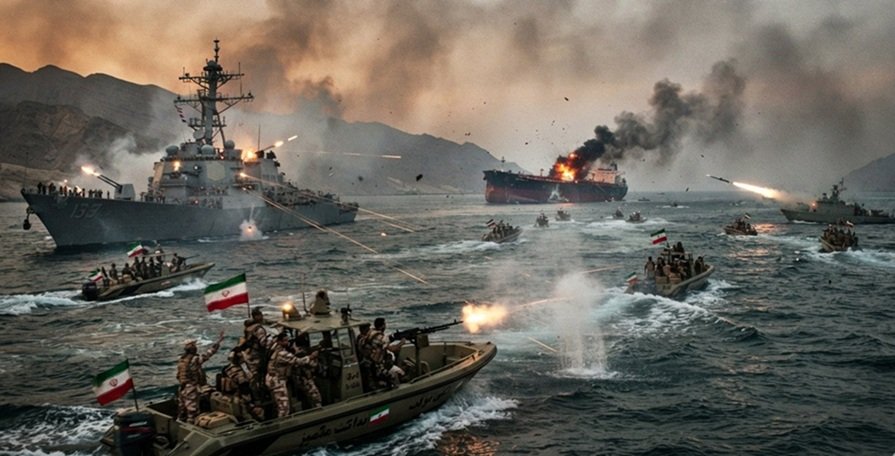
Iran’s experience reflected a different but equally important dimension of modern warfare. It faced precision strikes, systemic targeting, and attempts to rapidly degrade strategic command-and-control networks. Yet the anticipated collapse did not materialise. Iran absorbed the initial shock and retained operational continuity through distributed capabilities, redundancy, indigenous systems, and calibrated retaliation. The objective was not a decisive victory. It was strategic endurance.
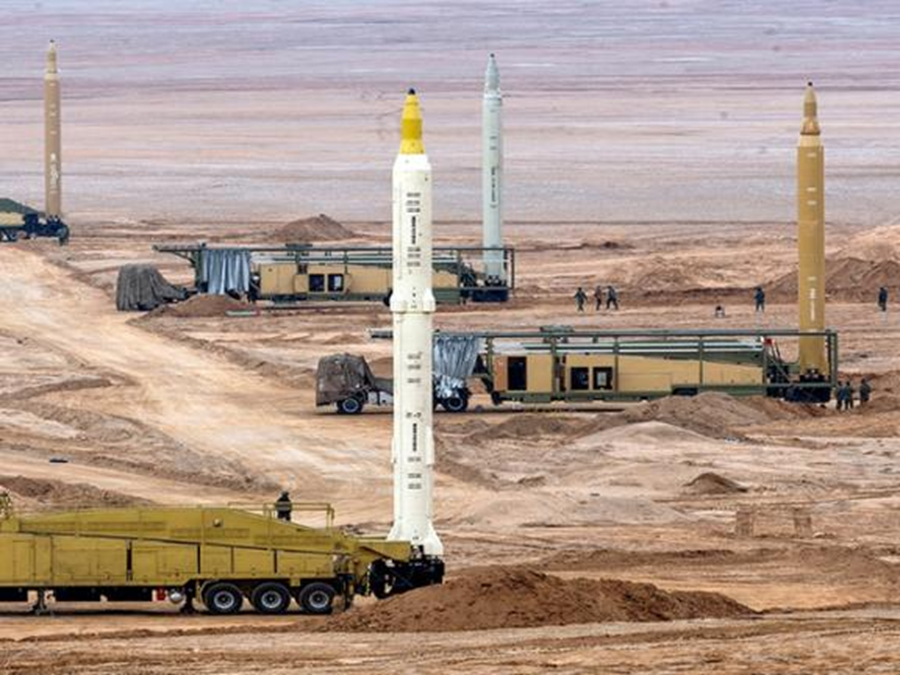
PC: https://www.armyrecognition.com/
That distinction matters because it reflects an emerging doctrinal reality. Future wars may increasingly focus on degrading national resilience rather than achieving traditional territorial conquest alone. Distributed systems, replaceable assets, indigenous production capability, and redundancy are now becoming central pillars of survivability.
Economics of Attrition
Modern warfare is no longer only kinetic. It is economic, technological, informational, and psychological simultaneously. A low-cost drone can force the launch of a high-cost interceptor missile. A distributed attack can compel expensive surveillance coverage across vast operational spaces. Prolonged conflict steadily drains industrial production, logistics chains, financial resources, and political endurance.
This is cost imposition warfare. Over time, even stronger powers can face disproportionate economic and strategic strain. Victory, therefore, is changing shape. It is becoming cumulative rather than immediate. The future battlefield may reward nations that can sustain pressure longer rather than those seeking rapid battlefield dominance alone.
Convergence and Flashpoint Grid
| Domain | Traditional Doctrine | Emerging Reality |
| Air Power | Centralized dominance | Distributed survivability |
| Naval Warfare | Fleet concentration | Maritime denial & redundancy |
| Ground Combat | Rapid territorial gains | Attritional endurance |
| Logistics | Efficiency-first | Resilience-first |
| Strategic Objective | Decisive victory | Sustained operational continuity |
Future conflicts will increasingly target infrastructure, ports, telecom systems, manufacturing ecosystems, satellites, supply chains, information networks and even public morale. Wars are no longer confined to borders. They are expanding across entire national ecosystems.
India’s Strategic Positioning
For India, these conflicts are not distant geopolitical episodes. They are operational indicators of the future battlespace. India has already initiated movement toward integrated deterrence, indigenous capability development, precision response frameworks, and defence modernisation. However, the emerging strategic environment demands greater urgency and deeper institutional integration. Four broad lessons emerge clearly.
Build for Adaptation: Military doctrine must evolve dynamically during conflict, not merely during peacetime planning cycles.
Scale Affordable Systems: Low-cost drones, autonomous platforms, loitering munitions, and AI-enabled surveillance systems must scale rapidly across formations.
Protect National Infrastructure: Ports, industrial corridors, telecom networks, energy grids, logistics hubs, and digital ecosystems are now strategic targets.
Build National Resilience: National security today extends beyond military capability alone. It includes industrial depth, energy security, cyber resilience, information warfare preparedness, societal cohesion and supply chain redundancy. Future conflicts will test national endurance as much as military strength.
Way Ahead
Ukraine adapted because it had no choice. Iran endured because it had no alternative. Both conflicts revealed the same strategic truth. The next wars will not necessarily favour the nation with the largest inventory of platforms or the biggest defence budgets. They will favour nations that can absorb shocks, adapt faster, sustain industrial capacity, protect critical systems and preserve societal resilience under pressure. For India, the warning is clear. The future belongs not merely to military power, but to resilient national power. Because in modern warfare, survival is no longer a fallback. It is a strategy.
Title Image Courtesy: AI Generated
Disclaimer: The views and opinions expressed by the author do not necessarily reflect the views of the Government of India and the Defence Research and Studies.