

Driven by rising rates of childhood obesity and concerns over digital addiction and cyberbullying, both the central government and the judiciary need to step up intervention to save Gen Z and A.
Brain rot is Oxford’s word of the year 2024. In simple terms, it means the likely degradation of a person’s brain. In recent times, this has occurred due to repetitive viewing or reading of online content of a particular nature and shutting off the brain to new facts or complex ideas. The content may be trivial and usually is considered unchallenged. So, the more we search the subject with one mindset, the more similar material is available for viewing.
The term ‘brain rot’ was first written in 1854 by Henry David Thoreau in a book called Walden. He lived in a simple countryside village where people were happy with their living style considered best. They were not open to education or gaining new knowledge. In fact, they were critical of new ideas which, apparently, they felt devalued their simple ways. They did not even like to discuss ideas which could be interpreted in different ways. Henry David concluded that brain rot had set in, and those people refused to improve their simple ways of living.

Walden, by Henry David P.C. https://www.mightyape.co.nz
In contrast, brain rot in the modern world is often planted by the internet – audio, video or written text. More and more people blindly follow such ideas with just one point of view. Newer language – skibidi and newer words are used as slang. These are also available as TikTok content or other browser sites. People are generally glued to such content online, shifting from one platform to another. Some of those who are working continue to read/ write official emails or even take calls while scrolling through social media.
Brain Rot in Children due to Social Media
Social media websites spin a loop with their content. These are designed to function on a loop of likes, comments, shares and notifications. This loop ensures that the viewer keeps returning to newer content. The content creators and influencers earn some remuneration, but the website earns from advertisements. Child psychologists believe that this loop effect results in the repeated return of children and adolescents to the website. This is because the loop effect produces a small release of dopamine in the brain of viewers. A reward pathway is created in the brain, which makes such websites addictive. These children and adolescents become impulsive and have attention difficulties.
Effects of Brain Rot
Roaming on social media and viewing digitally altered photos/videos of adults with chiselled bodies, perfect figures and clear skin causes low self-esteem. Unrealistic beauty or sculpted bodies distort the views of children towards their own bodies. They feel worse looking in the mirror. Others may be body -shamed too. Self-esteem may be lost.
Cyberbullying is another trend which causes immense mental pain and may even end in suicide. Cyberbullying is far more dangerous than physical bullying at school or college, as it is circulated fast amongst friends and foes and thousands of other viewers. Trolling by strangers is another offshoot of this trend.
Countries Protecting Children from Social Media
29 states of the US have taken Meta to court, alleging Instagram and Facebook were built to be addictive to minors. It was a court case. Legislation to protect children is being done in Australia, France, Brazil and Indonesia, which have enacted laws to prevent children under 15/16 years from viewing social media.
AI and Brain Rot
AI is hastening the rotting of all human brains. More so for the younger generation. They confirm every word spoken or written by AI on their cellphone, then and there. It is changing the way education, work culture, jobs, relationships and security are being restructured and reshaped. As per Bill Gates, “The world is entering one of the most turbulent times in human history”. Children and adolescents are becoming emotional slaves of AI. Job losses are staring on their faces. The rot is increasing.
Brain Rot in India
Brain rot is being seen in India too. It may be of a different kind, but the basic principles remain the same. Reading, hearing or viewing- often all three of seemingly simple content, not amenable to evaluation or corroboration with science, history or other research. It results from mindless scrolling of online content. This mindless viewing has been recorded at around 194 minutes a day, as compared to meaningful, longer content on ‘Over The Top’ (OTT) platforms, which was recorded as just 44 minutes in a day. It was also found that the average attention span has reduced from two and a half minutes in 2004 to just 45 seconds now. Platforms like YouTube and Instagram take advantage of instant gratification and dopamine high by acknowledgement of ‘likes’ and ‘notifications’. Short and shocking videos become viral in a short period of time. Many deaths/ injuries are reported in daredevil bravado stunts done by juveniles next to cliffs or trains.
Businesses in India have learned the potential of cheap advertising by employing ‘Influencers’. Short videos funded by business houses are released by Influencers for free on social media. So, indirectly, some brain-rotten Indians are taking advantage of their condition. Using technology to criminalise education and jobs has disturbed the psyche of the younger generation. Unless strong actions are taken urgently, it will result in chaos. Will India join other countries in enforcing a partial ban on Meta to protect its children? Will we be able to rein in AI?
Health Effects of Brain Rot
Brain rot leads to mental changes like confusion, temporary loss of memory, difficulty in concentration and mood swings. Decision-making may get impaired and hence, normal discussions with family, friends, colleagues become difficult. Long term effects of brain rot may be seen after a decade or two.
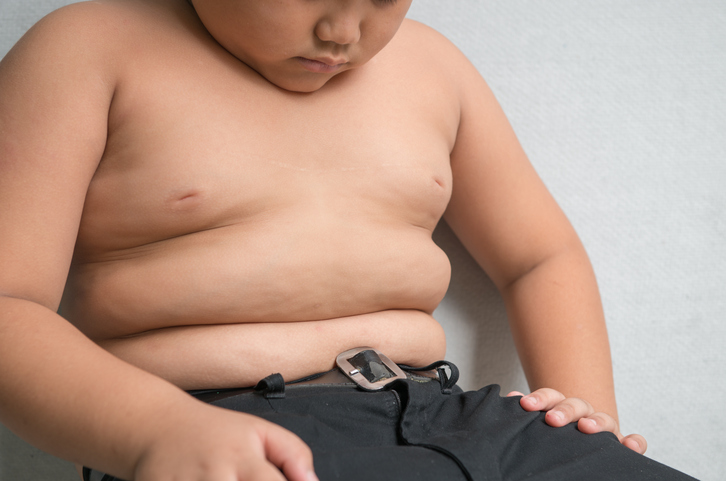
Body Rot happens due to ultra-processed foods (UPF), P.C. Thinkstock
Another important health issue of the year was body rot due to increased consumption of ‘ultra-processed food’ – UPF. The industry calls it convenience food or Ready-to-Eat (RTE) food. It is not discussed much as numerous industries profit from it. In fact, it is flourishing by leaps and bounds in India because of cheap home delivery of such foods. The storage and delivery business in India is the fastest-growing business, with IPOs on the stock exchange. They continue to deliver UPF in just 10 minutes, almost free, at any time of day or night. The government has found a new source of income by taxing this new industry. It still has to open its eyes to the ill effects of such foods on the children who are the chief beneficiaries of this system.
UPF was discussed in my earlier blog in March this year. Please click here to read/ refresh its ill effects and the suggestions made to prevent the spread of disease by regular use of UPF. As the article is 9 months old, newer evidence has come to light about the negative effects of UPF on health. Hence, the need to red-flag it in the new year.
Ill effects of Ultra-Processed Foods
A brief reminder for those who either didn’t read the earlier blog or forgot some aspects of the same:
- Overweight and Obesity. This is the first to start due to hidden calories in UPF. Even regular gym-going people continue to gain weight if they keep taking UPF on a regular basis. It has been recorded in the West and now in India that the epidemic of obesity began with the popularisation of UPF. Becoming overweight or obese leads to more diseases like Fatty liver and type II Diabetes.
- Fatty Liver. Earlier seen only in long-term alcoholics, fatty liver has become much more common in young people, most of whom have never consumed alcohol. This epidemic also started with 2-minute noodles! Spread widely 2 decades ago through cheap burger/ pizza/ cola/ dessert culture in India. Earlier, privy to the rich, these foods are now part of street food and are available as cheap snacks to the most economically challenged Indian. Slowly, UPF has spread its tentacles to the rural areas too.
- Diabetes Type II. Indians have special genes that transcend the border of obesity in paving the way for today’s scourge – Type II Diabetes. Not saying that the obese are not affected; they are, but even the non-obese are affected because of UPF and other factors.
- Hypertension and other cardiovascular diseases. High salt and high fat in UPF affect the vulnerable, and they develop Hypertension. Over a period of time, cardiovascular diseases tend to develop in their bodies. Undetected and untreated, they can eventually lead to brain stroke and myocardial infarction.
- Cancers. Colorectal and breast cancers are on the rise in India. UPFs are being implicated as important factors leading to this dreaded disease.
- Gut Microbiota and inflammation. UPFs have several chemicals and are low in fibre, micronutrients and antioxidants. Gut microbiota becomes unhealthy, and pro-inflammatory changes over some time trigger chronic/ auto immune diseases.
Conclusion
One person in the US, diagnosed with Type II diabetes, has filed a case against several companies manufacturing and advertising UPFs. He claims that in the past 2 decades, he kept consuming the apparently healthy food advertised by these companies, but this has led to his obesity and disease. We need similar awareness in India and zeal from influencers and NGOs.
As of now, the persons with or without brain rot are being led to alter of body rot. And, a lot of industries (pharma included) are making huge profits. Of course, the government keeps quiet as the taxes they collect go to provide free amenities to the poor. In fact, many of the so-called poor are now becoming victims of diseases listed above. Be aware, spread awareness, do not fall into the industry- and media-driven trap of brain rot and body rot. GOI should seriously think about new legislation against social media and UPFs to protect our children.
Title Image Courtesy: https://newhopehealthtn.com/brain-rot/
Disclaimer: The views and opinions expressed by the author do not necessarily reflect those of the Government of India or the Defence Research and Studies.