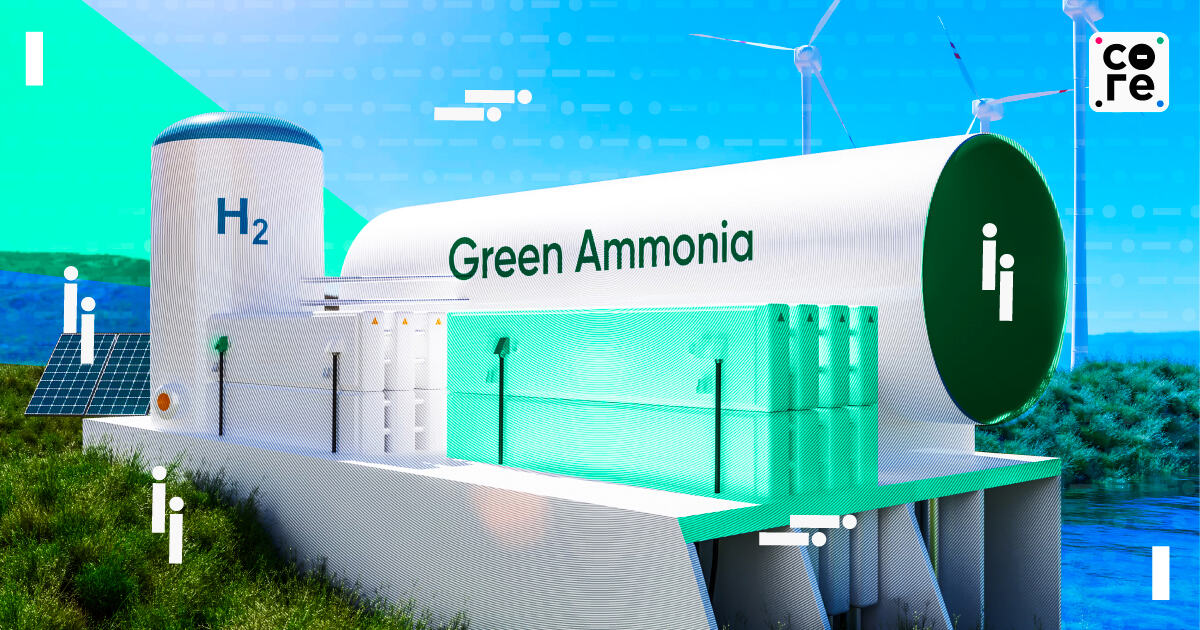
This paper explores a novel solution to the centuries-old conundrum of human waste disposal in India, a challenge that has persisted as both a public health crisis and a systemic logistics burden. By analysing the possible methods for deriving Green Ammonia (NH3) from urea-rich waste using indigenous, solar-powered mobile refineries, this study proposes a paradigm shift: transforming a national “stench” into a strategic “stinking opportunity.” Eventually, the solution can be used to power defence systems and, potentially, even space missions to Mars in the future.
Introduction
India’s farms and fields have always been hiding answers to not just worldwide, but also universal problems. Be it the solutions to social problems or even strategic ones. This paper not only highlights, but also unearths a solution to both the human waste disposal problem, but also fuelling strategically significant missions by deploying down-to-earth methods, such as cracking and refining ammonia-based fuels using solar energy refineries near locations from where human waste can be collected and potentially used for stealth defence missiles and even ISRO missions to other planets (Ministry of Jal Shakti 2026).
PC: https://www.moeveglobal.com/
Building A Case For Aatmanirbhar Bharat
While the latest mantra for defence missiles seems to be “quantum” everything, there is a slight crack in the system that needs to be sealed post-haste. How are the defence missiles to be fuelled better using the theories of fluid dynamics, rocket propulsion, and the like? At a time when going green is no longer just a fancy term, but the need of the hour, it is imperative to solve the problem of carbon soot being released by other fuelling options, which also leaves behind a bread-crumb trail for the enemy to follow (Basu and Chatterjee 2025). At the same time, it is also important that the thrust for propulsion, being thwarted from making defence missiles and rockets alike due to the mass problem, be solved. With an aim of achieving several goals at one go, one could look at tackling the issue of finding a suitable fuelling option first for both defence and rocketry systems alike.
The Solution
The one solution that seals the cracks in the wall is the effective deployment of an ammonia-hydrogen engine that has a clean exhaust. As a carbon-free alternative to the other fuels, it can even prevent these propulsion systems from being weighed down due to the “Mars Mass,” or a heavy nozzle problem that arises when the nozzles of rockets that need to travel to planets, such as Mars, need to be expanded to be propelled further (Dhall 2026). The solution lies in the use of a “Dissociated Ammonia Cold-Start System,” which can also enhance stealth attacks on the enemy systems, minus the breadcrumb and toxic fuel residue trails (Ghosal 2024).
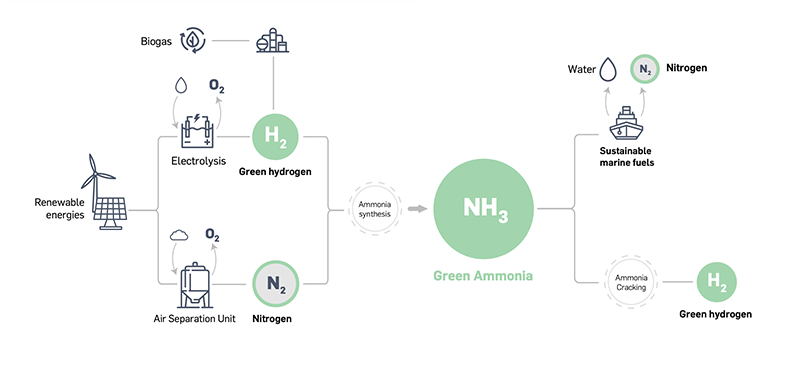
At the end of the day, however, energy needs to be tapped to further tap the fuels themselves from their energy sources. Here step in solar-powered Mobile Human Waste Collection and Refinement Units (MHWRUs), which, as the name suggests, can both collect human waste and refine it on the go by separating liquid urea from the solid biomass. The outer shell of the mobile scoop needs the deployment of a Tandem-Perovskite skin, which can harvest the Indian sun’s rays (or even dim the Martian light) even with the thickest of cloud covers to enable the evaporation of the waste residue from the biomaterial by providing thermal energy (ISRO 2025). Armed with robotic arms powered by Artificial Intelligence, the Silicon Sentinel—that can also double up as precursors to humans, who would be visiting Mars and other such hostile planets—regulates the Palladium-Membrane reactor that cracks the NH3 into the stealthy H2 fuel (Singh 2024). Eventually, the potential fuel is contained in high-pressure composite tanks (carbon-fibre wrapped) and serves as a battery or strategic reservoir, which can strike up the enemy territory before they even register the molecular signature of the propellant. During the monsoon, however, the system must pivot to rainwater harvesting, which can also serve as an alternative source of fuel, since the solar-powered MHWRUs can easily process acidic water and any other hazardous materials, which could otherwise corrode even the toughest of surfaces, with ease (Kumar and Lakshmi 2025).
Conclusion
India can transform into Aatmanirbhar Bharat by using nothing but the sun and its own ecological footprint and refuel its defence and space navigation systems. Being notoriously famous for the reputation that precedes itself, ammonia-hydrogen powered systems will leave behind neither carbon, nor soot, nor any infrared trail that could easily be captured by the enemy. From the flush tank that gurgles to the rocket nozzles that roar, India can use its own indigenous resources from its domestic backyards and backdoors to protect its backyards from the enemy and more. At the same time, India can defy the laws of time and space while navigating outer space at its own pace. In the future, Aatmanirbhar Bharat would itself become an interesting space to be explored further by top space scientists and researchers. After all, India’s own temples represent a mastery of fluid mechanics, fluid dynamics, and fine engineering that even modern archaeology struggles to decode.
Title Image Courtesy: https://www.thecore.in/
Disclaimer: The views and opinions expressed by the author do not necessarily reflect the views of the Government of India and the Defence Research and Studies.


References
- Basu, S., and R. Chatterjee. Aatmanirbhar Defense: Decentralized Propellant Logistics in the 21st Century. New Delhi: Strategic Studies Press, 2025.
- Dhall, M. “The Mars Mass Paradox: Logistics of In-Situ Resource Utilization (ISRU) for Mangalyaan Missions.” Journal of Space Engineering and Rockets 14, no. 2 (2026): 45–62.
- Ghosal, Anirban. “From Waste to Weaponry: The Chemical Potential of Dissociated Ammonia in Stealth Propulsion.” Indian Journal of Chemical Technology 32, no. 4 (2024): 210–225.
- Indian Space Research Organisation (ISRO). Vision 2030: Solar-Thermal Integration and the Future of Martian Colonization. Bangalore: ISRO Publications, 2025.
- Kumar, V., and S. Lakshmi. “Tandem-Perovskite Photovoltaics in High-Acidity Environments: Resilience against Monsoon Acid Rain.” Nature Energy India 9, no. 11 (2025): 1102–1115.
- Ministry of Jal Shakti. “Swachh Bharat 3.0: Integrating Mobile Waste Refineries for Rural Development.” Government of India. Accessed April 17, 2026. https://jalshakti.gov.in/sb-three-point-zero.
- Singh, J. J. The Silicon Sentinel: Autonomous AI Management of Volatile Chemical Reactors. Mumbai: Tech-Defense Publishing, 2024.